
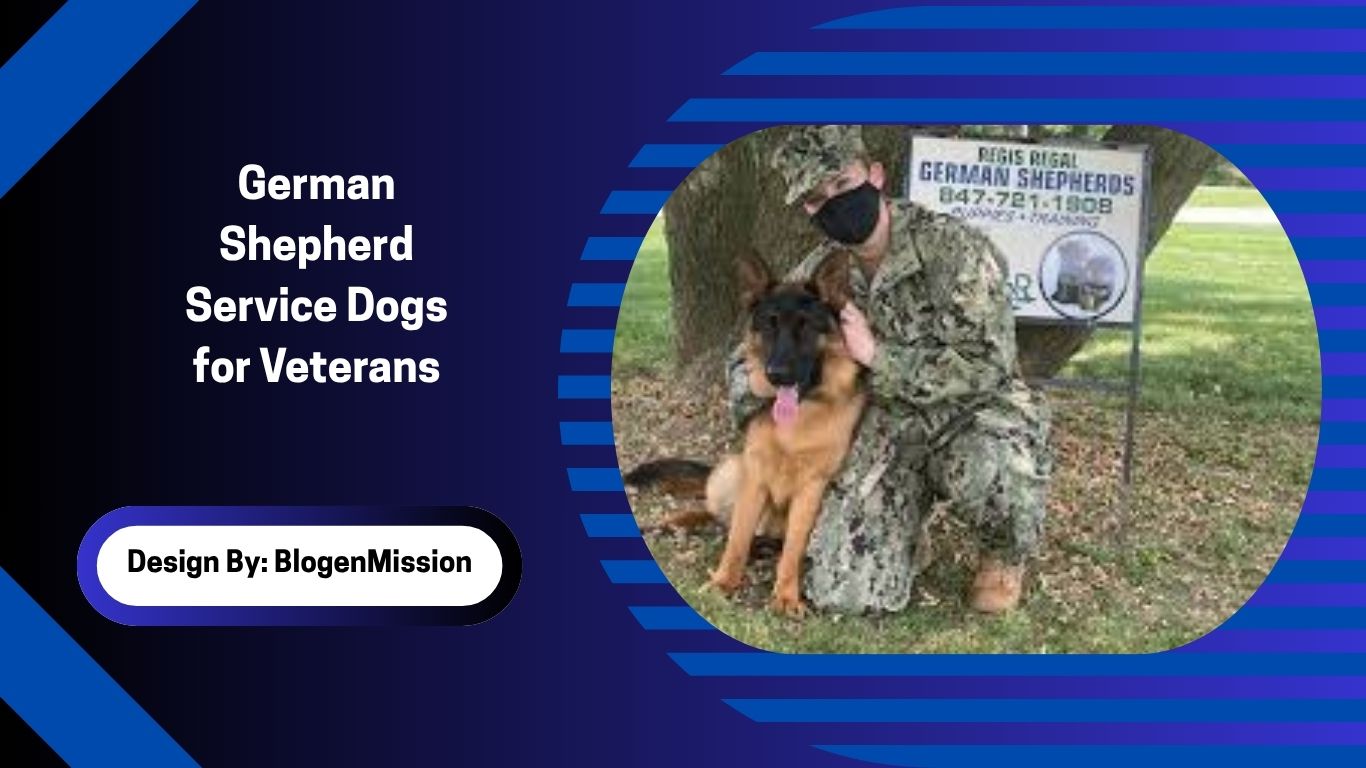
German Shepherd service dogs provide veterans with emotional support, mobility assistance, and PTSD relief. Their intelligence, loyalty, and trainability make them ideal companions for enhancing independence and overall well being.
Veterans returning from active duty often face challenges ranging from physical disabilities to emotional and psychological conditions, including PTSD, anxiety, and depression. For many, the path to independence and emotional stability is greatly enhanced by the presence of a service dog. Among all breeds, German Shepherds are widely recognized as ideal service dogs for veterans due to their intelligence, loyalty, strength, and trainability.
German Shepherd service dogs for veterans offer a unique combination of physical assistance, emotional support, and companionship. They are trained to perform specialized tasks tailored to the veteran’s specific needs, from mobility assistance to detecting stress triggers associated with PTSD.
This guide delves into the many ways German Shepherds serve veterans, explains training processes, outlines their tasks, highlights key benefits, and provides guidance for veterans seeking to adopt or train a service dog.
Why German Shepherds Are the Ideal Service Dogs for Veterans?
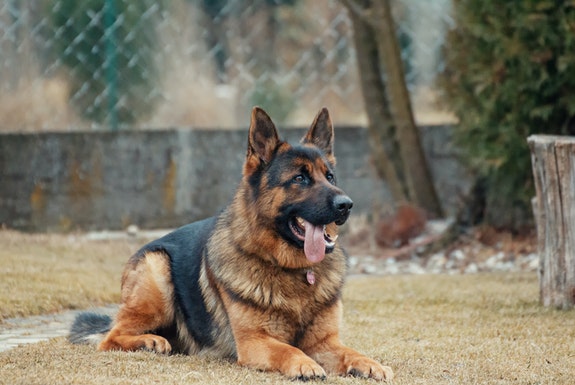
German Shepherds are not only intelligent and strong but also emotionally attuned to their handler’s needs. Their suitability for veterans can be broken down into several key factors:
1. Exceptional Intelligence
German Shepherds rank among the top five smartest dog breeds, which allows them to learn complex commands and adapt to dynamic environments. For veterans, this intelligence translates into a dog capable of performing critical tasks reliably, including retrieving items, opening doors, or alerting to emergencies.
2. Loyalty and Protective Instincts
Veterans often face high levels of stress or anxiety in public and private spaces. German Shepherds’ natural loyalty creates a bond built on trust and reliability. Their protective nature ensures that veterans feel safe, reducing anxiety, particularly for those dealing with PTSD or panic disorders.
3. Physical Capability
German Shepherds are strong and agile, making them ideal for veterans with mobility challenges. They can assist with standing, walking, navigating stairs, or even pulling a wheelchair when necessary, enhancing independence in daily life.
4. Emotional Sensitivity
German Shepherds are highly perceptive and can recognize subtle changes in human behavior or emotion. This makes them excellent for veterans who require emotional support or assistance during anxiety or PTSD episodes.
5. Adaptability
Whether navigating crowded public spaces, public transportation, or home environments, German Shepherds are flexible and able to adapt to a variety of situations. This adaptability is crucial for veterans whose needs may vary from day to day.
Specialized Tasks German Shepherd Service Dogs Perform
German Shepherd service dogs for veterans undergo rigorous training to provide both physical and emotional support. Their tasks include:
- Medical alerts: Sensing changes in blood sugar levels, heart rate, or detecting oncoming seizures.
- Mobility support: Assisting veterans with walking, balance, standing, or retrieving objects.
- Emergency retrieval: Bringing medications, phones, or personal items when needed.
- PTSD intervention: Interrupting panic attacks, guiding veterans to safe spaces, or applying pressure therapy to reduce anxiety.
- Public navigation: Helping veterans safely move through crowded or complex environments.
These tasks empower veterans to regain independence, manage daily activities, and improve overall quality of life.
Training German Shepherd Service Dogs for Veterans
Training a German Shepherd to become a service dog is a structured, multi phase process. Each phase ensures the dog is competent, reliable, and ready to meet the unique demands of a veteran.
1. Basic Obedience Training
Before learning service specific tasks, dogs must master foundational commands such as sit, stay, come, and heel. Obedience training ensures the dog remains focused, well behaved, and responsive in public and private settings.
2. Task Specific Training
After basic obedience, dogs are trained to perform specialized tasks tailored to the veteran’s needs. Examples include:
- Guiding veterans with mobility impairments.
- Alerting to anxiety or PTSD triggers.
- Retrieving essential items.
- Performing physical support for balance or stability.
3. Socialization and Public Access Training
Service dogs must be comfortable in public environments, including restaurants, buses, hospitals, and workplaces. Socialization ensures the dog remains calm, confident, and focused despite distractions, providing reliable assistance when needed.
4. Ongoing Reinforcement
Even after certification, service dogs require regular practice and reinforcement. Veterans often perform daily drills to maintain skills, ensuring the dog’s reliability in emergencies or high stress situations.
Benefits of German Shepherd Service Dogs for Veterans
The advantages of having a German Shepherd service dog go beyond physical assistance. Their impact can be felt emotionally, socially, and physically.
1. Emotional Support
Veterans suffering from PTSD or anxiety disorders experience relief and comfort from the presence of a service dog. German Shepherds can detect early signs of stress, interrupt panic attacks, and provide a calming presence during difficult moments.
2. Enhanced Mobility
German Shepherds assist with walking, balance, or retrieving items, which is particularly beneficial for veterans with physical injuries, amputations, or mobility limitations.
3. Social Interaction
Service dogs can help veterans reintegrate into social environments. They often facilitate conversations and connections, reducing isolation and supporting mental health recovery.
4. Sense of Security
German Shepherds’ protective instincts provide safety at home and in public spaces, allowing veterans to feel confident while engaging in daily activities.
5. Independence
By performing essential tasks, service dogs enable veterans to regain autonomy, reducing dependence on family members or caregivers.
Considerations Before Acquiring a German Shepherd Service Dog
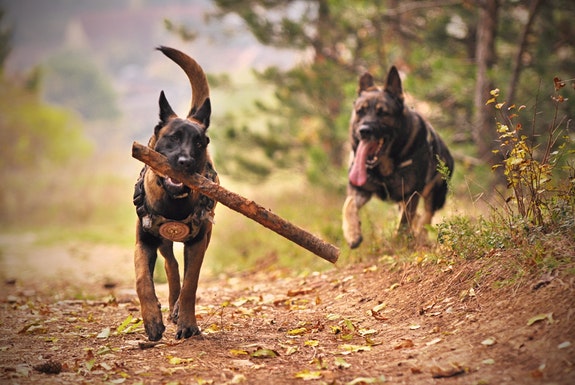
Veterans should evaluate several factors before obtaining a German Shepherd service dog:
- Dog’s Health and Age: Choose a healthy dog with up to date vaccinations and veterinary care.
- Lifestyle Compatibility: Ensure the veteran’s routine can accommodate daily exercise, training, and care for the dog.
- Training Commitment: Service dogs require ongoing reinforcement and practice to maintain skills.
- Housing and Accessibility: Confirm that living arrangements and public spaces accommodate service dogs.
- Support Resources: Engage with certified organizations specializing in service dogs for veterans to ensure proper training and placement.
How Veterans Can Acquire a German Shepherd Service Dog?
Veterans have several avenues to obtain a service dog:
- Certified nonprofit organizations specializing in service dogs for veterans.
- Professional trainers offering custom training programs tailored to individual needs.
- Government or veteran support programs that provide funding, training, or placement assistance.
Proper evaluation ensures the dog is capable, trained according to professional standards, and a suitable match for the veteran.
Common Challenges and How to Overcome Them
While German Shepherd service dogs offer incredible benefits, there are challenges:
- Training Time: Achieving full certification may take 12 to 24 months.
- Costs: Training, veterinary care, and equipment can be expensive. Veterans may seek nonprofit assistance or grants.
- Housing and Public Access: Some apartments or public spaces may require documentation or approval for service dogs.
- Maintenance: Regular grooming, exercise, and mental stimulation are essential for the dog’s well being.
Planning ahead and leveraging veteran support resources can help overcome these challenges.
FAQs:
1. Can I get my dog trained to be a service dog for PTSD?
Yes. Dogs, including German Shepherds, can be professionally trained to assist veterans with PTSD by interrupting anxiety episodes, providing emotional support, and performing calming tasks to improve daily functioning.
2. Are German Shepherds good PTSD service dogs?
Absolutely. German Shepherds are intelligent, loyal, and emotionally sensitive, making them excellent at detecting stress, providing comfort during anxiety or panic attacks, and helping veterans maintain stability.
3. Will the VA make my dog a service dog?
The VA does not provide service dog training directly. However, they offer guidance, resources, and referrals to certified organizations that train and place service dogs for veterans.
4. Are there free dogs for veterans with PTSD?
Some nonprofit organizations provide fully trained service dogs at no cost to eligible veterans. Availability may be limited, and waitlists are common, so early application is recommended.
5. How long does it take to train a German Shepherd for PTSD service work?
Training typically takes 12 to 24 months, including basic obedience, specialized PTSD tasks, and public access preparation. Ongoing reinforcement ensures the dog remains reliable and effective.
Conclusion:
German Shepherd service dogs for veterans provide unmatched physical, emotional, and psychological support. Their intelligence, loyalty, adaptability, and strength make them ideal companions for veterans coping with PTSD, mobility limitations, or other service related challenges. With proper training, ongoing reinforcement, and responsible care, German Shepherd service dogs enhance independence, reduce stress, and improve the overall quality of life for veterans For veterans seeking a German Shepherd, understanding the training process, evaluating lifestyle compatibility, and accessing certified support organizations ensures a life changing partnership.
Related Post:
- Black And Silver German Shepherd Puppies – Guide for Owners!
- Black And Red German Shepherd Puppy – Guide for Dog Lovers!
- Big Boned German Shepherd – Guide for Owners and Enthusiasts!
- Good Outdoor Pets – Low Maintenance and Full of Joy!
- How Much Is Pet Cremation – Guide to Costs and Options!