
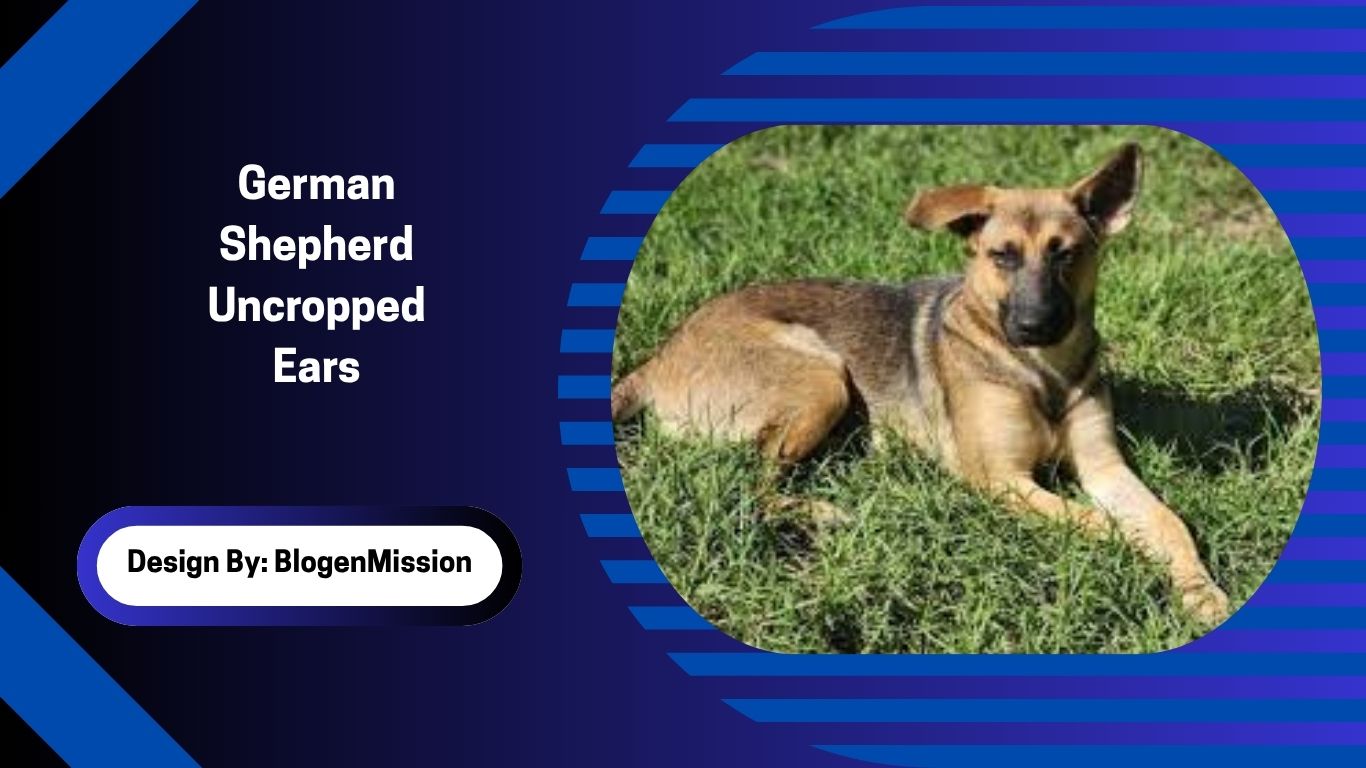
German Shepherd uncropped ears grow naturally, providing a healthy, comfortable, and authentic appearance. With proper care, nutrition, and patience, ears stand upright while avoiding surgical risks and promoting overall well being.
The German Shepherd is one of the famous canine breeds worldwide, recognized for its intelligence, loyalty, and versatility. One of the most noticeable physical traits of German Shepherds is their ears. While some owners choose ear cropping for aesthetic or traditional reasons, many modern breeders and owners prefer German Shepherd uncropped ears for a natural look.
German Shepherd uncropped ears are increasingly appreciated for their natural appearance, proper development, and comfort. This guide covers everything you need to know about uncropped ears, including growth, care, benefits, potential challenges, and health considerations.
What Are German Shepherd Uncropped Ears?
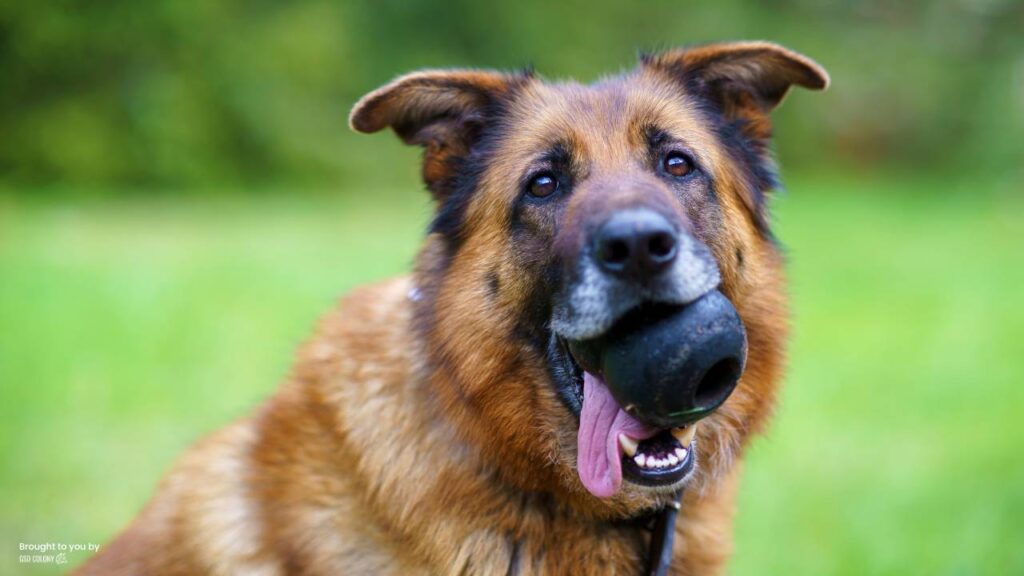
Uncropped ears refer to the natural, untouched ears of a German Shepherd. In uncropped dogs, the ears develop fully without surgical alteration. They are usually large, pointed, and upright by maturity, although puppies may initially have floppy ears that stand naturally as they grow.
Natural Ear Development
German Shepherd puppies are born with floppy ears. Typically, the ears begin to stand between 6 to 12 weeks, but in some cases, it may take up to 6 to 8 months for ears to fully erect. Factors influencing ear development include:
- Genetics and lineage
- Nutrition
- Teething and jaw development
- Overall health
Owners of German Shepherd uncropped ears should be patient and provide proper care during this developmental phase.
Benefits of German Shepherd Uncropped Ears:
There are several advantages to leaving German Shepherd ears uncropped:
- Natural Appearance: Uncropped ears maintain the dog’s original look. Many breed enthusiasts and kennel clubs prefer natural ears, as they showcase the dog’s authentic characteristics.
- Reduced Health Risks: Ear cropping is a surgical procedure that carries risks such as infection, excessive bleeding, or complications from anesthesia. Leaving ears uncropped eliminates these risks.
- Improved Comfort: Uncropped ears do not require taping or bandaging during growth, which can be uncomfortable for puppies. They grow naturally and adapt to the dog’s head shape.
- Better Communication: German Shepherds use their ears to express emotions and communicate. Uncropped ears move naturally and may enhance social signaling, both with humans and other dogs.
- Compliance with Breed Standards: Many international kennel clubs, including the AKC and FCI, recognize uncropped ears in German Shepherds. Dogs with natural ears are accepted in confirmation shows in several countries.
Common Myths About German Shepherd Uncropped Ears
Myth 1: Uncropped Ears Look Less Strong
Some people assume uncropped ears make a dog appear weaker or less alert. In reality, well structured uncropped ears look strong and natural.
Myth 2: Uncropped Ears Will Never Stand
While some puppies have floppy ears longer than others, most uncropped German Shepherds develop upright ears naturally as they mature.
Myth 3: Cropped Ears Are Healthier
Ear cropping does not improve health. On the contrary, uncropped ears avoid surgical risks and heal naturally.
How to Care for German Shepherd Uncropped Ears?
Proper care ensures uncropped ears remain healthy, clean, and strong:
- Regular Cleaning: Check ears weekly for dirt, wax, or moisture. Use a veterinarian approved ear cleaner to prevent infections.
- Nutrition and Supplements: A balanced diet rich in protein, vitamins, and minerals supports cartilage development, helping ears stand naturally.
- Teething Support: During teething, some puppies’ ears may temporarily droop. Providing teething toys and ensuring proper jaw development can aid ear standing.
- Avoid Taping or Cropping: Do not force ears to stand with tape or surgery. Natural development ensures comfort and prevents pain or infection.
- Monitor for Health Issues: Watch for signs of ear infections, inflammation, or trauma, which can affect ear appearance and comfort.
Potential Challenges of German Shepherd Uncropped Ears
While uncropped ears are natural and safe, some challenges may occur:
- Floppy Puppy Phase: Some puppies may have droopy ears for months, causing concern for owners.
- Teething Drops: Temporary drooping can happen during teething, which is normal.
- Ear Injuries: Natural ears may be more susceptible to scratches or tears, especially in active dogs.
Despite these minor challenges, most owners find German Shepherd uncropped ears easier to maintain and healthier in the long term.
Training and Social Considerations
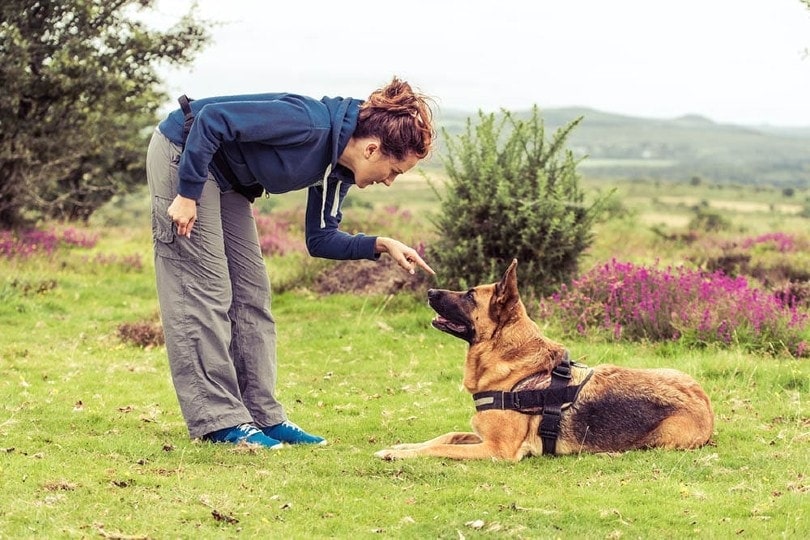
German Shepherds are known for intelligence and trainability, and uncropped ears do not affect their ability to work in police, military, or service roles. Puppies with natural ears still:
- Exhibit alertness and attentiveness
- Communicate effectively through ear signals
- Perform tasks without any physical limitation
In fact, natural ears often enhance social cues and communication with humans and other dogs.
Breeding Considerations for Uncropped Ears
When breeding German Shepherds, uncropped ears are preferred in many countries for ethical and breed standard reasons. Breeders should consider:
- Genetics: Puppies from uncropped ear parents are likely to have strong, upright ears naturally.
- Health Screening: Ensure both parents are free from genetic disorders affecting cartilage or ear development.
- Ethical Breeding: Avoid unnecessary surgical procedures; promote natural development and comfort.
FAQs:
1. Do all German Shepherds’ uncropped ears stand naturally?
Most do, typically between 6 to 12 weeks, though some puppies may take up to 6 to 8 months to fully erect naturally.
2. Are uncropped ears healthier than cropped ears?
Yes. Uncropped ears avoid surgical risks like infection, pain, or complications from anesthesia, making them safer and more comfortable.
3. Can teething affect uncropped ears?
Yes. During teething, temporary drooping may occur, but ears usually stand naturally once teething is complete.
4. Do uncropped ears affect training or work ability?
No. Natural ears do not hinder intelligence, obedience, or working abilities; German Shepherds excel in service, police, and protection roles.
5. How should I care for uncropped ears?
Regular cleaning, balanced nutrition, monitoring for injuries, and avoiding taping or surgery ensure ears stay healthy and naturally upright.
Conclusion:
German Shepherd uncropped ears offer a natural, healthy, and aesthetically pleasing alternative to cropped ears. They reduce surgical risks, provide better comfort, enhance communication, and comply with modern breed standards. Puppies may have a floppy phase, but with proper nutrition, care, and patience, ears will naturally stand by maturity. Owners who prioritize health, welfare, and ethical breeding find uncropped ears a superior choice, reflecting the breed’s authentic appearance while maintaining the intelligence, loyalty, and versatility German Shepherds are known for.
Related Post:
- Black And Silver German Shepherd Puppies – Guide for Owners!
- Black And Red German Shepherd Puppy – Guide for Dog Lovers!
- Big Boned German Shepherd – Guide for Owners and Enthusiasts!
- Good Outdoor Pets – Low Maintenance and Full of Joy!
- How Much Is Pet Cremation – Guide to Costs and Options!