
A German Shepherd needs 1,600 to 3,000 calories daily, depending on age, weight, and activity. Puppies and working dogs require higher intake, while seniors and less active dogs need fewer calories.
German Shepherds are one of the most popular and hardworking dog breeds in the world. They are recognized for his or her intelligence, loyalty, and excessive energy. Because of their size and active lifestyle, German Shepherds require a carefully balanced diet to stay healthy. One of the most common questions owners ask is: how many calories does a German Shepherd need each day?
The answer is not the same for every dog, it depends on age, weight, activity level, and overall health. In this guide, we will cover everything you need to know about your German Shepherd’s calorie needs, how to calculate them, and the best ways to ensure they receive proper nutrition.
Why Calorie Intake Matters for German Shepherds?
German Shepherds burn a lot of energy daily. From running and playing to serving as police or working dogs, they need enough calories to:
- Maintain muscle strength and energy
- Support healthy growth (in puppies)
- Prevent obesity or malnutrition
- Improve lifespan and quality of life
Feeding the right number of calories is essential to avoid both underfeeding (leading to weakness and nutrient deficiencies) and overfeeding (causing weight gain and health problems).
Average Calorie Needs for German Shepherds
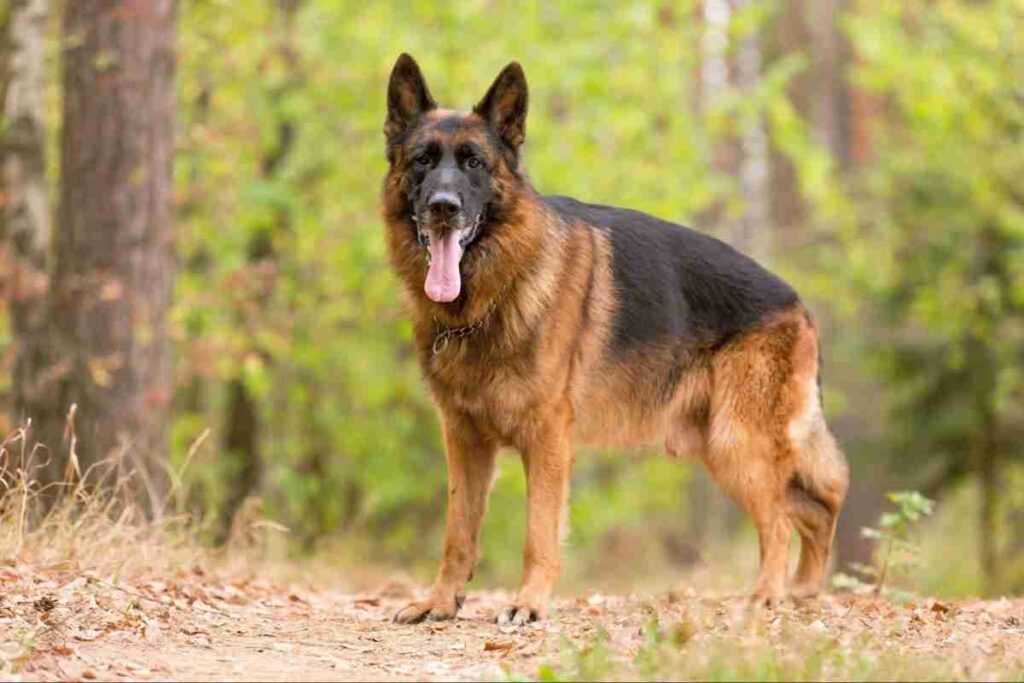
On average, German Shepherds need anywhere between 1,600 to 3,000 calories per day.
- Low activity dogs: 1,600 to 1,800 calories daily
- Moderately active dogs: 1,800 to 2,200 calories daily
- Highly active/working dogs: 2,500 to 3,000 calories daily
This wide range exists because each German Shepherd has different energy requirements.
Factors That Affect How Many Calories a German Shepherd Needs
1. Age and Growth Stage
- Puppies (0 to 12 months): Need the highest calorie intake (40 to 50 calories per pound of body weight daily) to fuel rapid growth.
- Adult dogs (1 to 7 years): Require about 20 to 30 calories per pound, depending on activity.
- Senior dogs (7+ years): Need fewer calories (1,200 to 1,800 daily) since metabolism slows with age.
2. Weight and Body Condition
- A healthy adult German Shepherd typically weighs 50 to 90 pounds.
- Overweight dogs should consume fewer calories, while underweight dogs may need more nutrient dense food.
3. Activity Level
- Working/active dogs (service, police, agility) burn far more energy than pets.
- Household pets with moderate exercise need fewer calories to avoid obesity.
4. Health Conditions
Medical issues like thyroid disorders, hip dysplasia, or digestive problems can affect how many calories your German Shepherd needs. Always consult a vet if unsure.
Calorie Requirements by Life Stage (Table)
| Life Stage | Approx. Calories Per Day | Notes |
| Puppy (8 to 12 weeks) | 1,200 to 2,000 | Frequent small meals |
| Puppy (3 to 6 months) | 1,500 to 2,500 | Supports fast growth |
| Adult (moderate activity) | 1,800 to 2,200 | Most family pets |
| Adult (high activity) | 2,500 to 3,000 | Working dogs |
| Senior (low activity) | 1,200 to 1,800 | Prevents weight gain |
What Should German Shepherds Eat to Meet Their Calorie Needs?
- Protein Rich Foods: Protein builds strong muscles and supports energy. Look for foods with chicken, beef, lamb, or fish as the first ingredient.
- Healthy Fats: Fats like fish oil and flaxseed oil provide essential fatty acids for a shiny coat, brain health, and long lasting energy.
- Carbohydrates for Energy: Carbs such as brown rice, oatmeal, and sweet potatoes are excellent sources of slow release energy.
- Fruits and Vegetables: Carrots, spinach, pumpkin, and blueberries supply fiber, antioxidants, and vitamins to support digestion and immunity.
Signs Your German Shepherd Is Eating Too Few or Too Many Calories
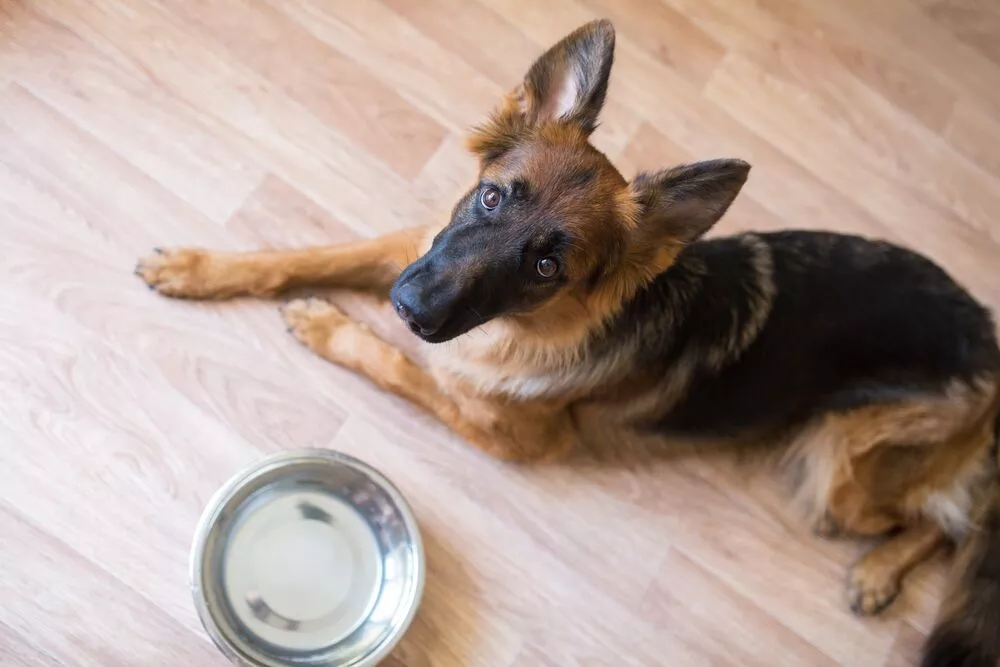
Signs of Underfeeding
- Visible ribs and spine
- Lethargy and weakness
- Poor coat condition
- Stunted growth in puppies
Signs of Overfeeding
- Excessive weight gain
- Difficulty moving
- Joint strain and hip problems
- Digestive issues (vomiting, bloating)
Feeding Guidelines and Tips for German Shepherd Owners
- Feed 2 to 3 meals per day instead of one large meal to avoid bloating.
- Keep fresh water available at all times.
- Adjust calorie intake based on activity levels and seasons.
- Avoid human junk foods high in salt, sugar, or fat.
- Schedule regular vet check ups to ensure a healthy weight.
FAQs:
1. How many calories should a German Shepherd puppy eat daily?
German Shepherd puppies need 1,200 to 2,500 calories daily, depending on age and activity. Frequent, nutrient rich meals with protein, fats, and essential vitamins support healthy growth, strong bones, and high energy during rapid developmental stages.
2. Can overfeeding harm a German Shepherd?
Yes, overfeeding can cause obesity, diabetes, joint issues, and heart disease in German Shepherds. Maintaining balanced calories based on weight and activity is vital to protect long term health and prevent life shortening conditions caused by excessive feeding.
3. Do working German Shepherds require extra calories?
Absolutely. Highly active or working German Shepherds, such as service, police, or agility dogs, need 2,500 to 3,000+ calories daily. Their demanding lifestyle requires greater nutrition to sustain energy, muscle strength, and endurance throughout physically intensive tasks.
4. How can I tell if my German Shepherd is underfed?
Underfed German Shepherds show visible ribs, low energy, dull coats, and slower growth in puppies. Regular vet visits, weight checks, and monitoring body condition scores ensure proper nutrition and prevent long term health deficiencies.
5. Should senior German Shepherds eat fewer calories?
Yes, senior German Shepherds typically need 1,200 to 1,800 calories daily. With lower metabolism and reduced activity, feeding fewer calories helps prevent weight gain, reduces joint strain, and promotes healthier aging in older dogs.
6. Is 2 cups of food enough for a German Shepherd?
Two cups of food is usually not enough for an adult German Shepherd. Most need 3 to 5 cups daily, depending on activity, weight, and calorie content of the food. Always adjust portions to maintain healthy body condition.
7. What is the best diet for a German Shepherd?
The best diet for a German Shepherd includes high quality protein, healthy fats, complex carbohydrates, and nutrient rich vegetables. Balanced meals with lean meats, whole grains, and omega rich oils support muscle strength, energy, digestion, and overall health.
8. How much should a 20 pound German Shepherd eat?
A 20 pound German Shepherd puppy typically requires 600 to 1,000 calories daily, depending on age and activity. This equals roughly 1.5 to 2.5 cups of food spread across multiple meals to support healthy growth and energy needs.
Conclusion:
German Shepherds are energetic, powerful, and intelligent dogs that require balanced nutrition to thrive. Their calorie needs vary with age, weight, and lifestyle, typically ranging from 1,600 to 3,000 calories daily. Puppies and working dogs need more fuel, while seniors require less. By monitoring weight, activity levels, and overall health, owners can adjust calorie intake to support long term vitality. Feeding high quality food, portioning meals, and consulting a veterinarian ensures a German Shepherd stays healthy, active, and strong throughout life.
Related Post:
- Black And Silver German Shepherd Puppies – Guide for Owners!
- Black And Red German Shepherd Puppy – Guide for Dog Lovers!
- Big Boned German Shepherd – Guide for Owners and Enthusiasts!
- Good Outdoor Pets – Low Maintenance and Full of Joy!
- How Much Is Pet Cremation – Guide to Costs and Options!