
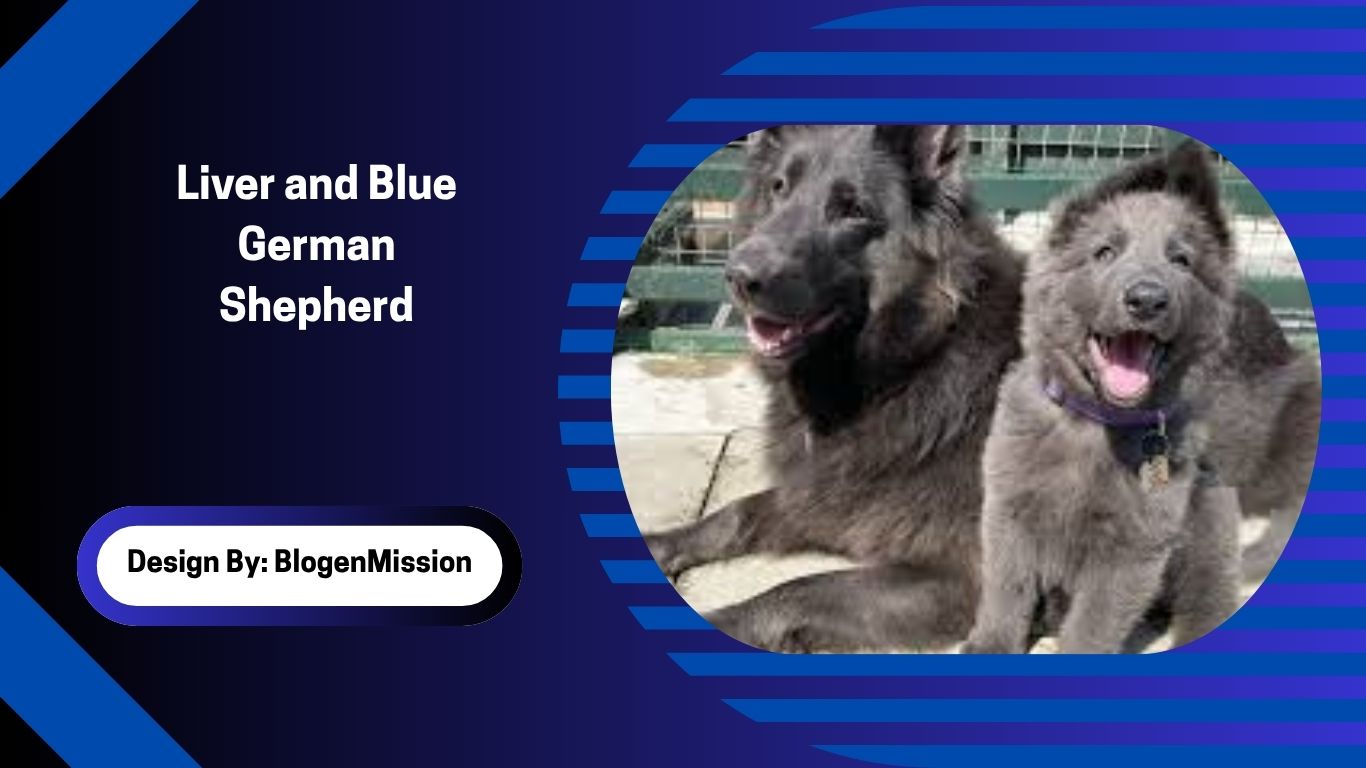
The liver and blue German Shepherd are purebred dogs with rare coat colors caused by recessive genes. They share the same intelligence, loyalty, and temperament as standard German Shepherds but are less common.
The German Shepherd is one of the most recognized and admired dog breeds worldwide. Known for their intelligence, loyalty, and working ability, they are often seen in the classic black and tan coat. However, some rare variations stand out most notably the liver and blue German Shepherd.
These striking coat colors are not separate breeds but unique genetic variations within purebred German Shepherds. In this detailed guide, we will learn all about liver and blue German Shepherds, including coat genetics, temperament, health, grooming, and cost. Discover why these rare coat variations stand out while maintaining the loyal, intelligent traits of the German Shepherd breed.
What Is a Liver and Blue German Shepherd?
A liver and blue German Shepherd refers to two rare coat colors seen in the breed. While both variations share the same strong physique, temperament, and intelligence of standard German Shepherds, they are distinguished by their genetics:
- Liver German Shepherd: Has a reddish brown or chocolate colored coat due to a recessive gene that affects black pigmentation.
- Blue German Shepherd: Displays a bluish gray or steel like coat color caused by a dilution gene that alters the black pigment into gray blue shades.
Both are purebred German Shepherds, but their coat color makes them stand out among the more common variations.
History and Genetics of Rare German Shepherd Colors

The German Shepherd breed originated in Germany during the late 1800s, bred for herding and protection work. While early German Shepherds displayed many coat colors, the black and tan variety became the breed standard.
The liver and blue German Shepherds exist because of recessive genes:
- Liver gene (bb): Dilutes black pigment into brown or liver tones.
- Blue gene (dd): Dilutes black pigment into a blue gray or steel shade.
For a puppy to display either color, it must inherit the gene from both parents. This is why liver and blue German Shepherds are considered rare.
Appearance of Liver German Shepherds
A liver German Shepherd is known for its warm brown tones and softer appearance compared to darker coated variations.
- Coat color: Shades range from light cinnamon to deep chocolate.
- Eyes: Often amber, golden, or light hazel.
- Nose: Typically brown instead of black.
- Patterns: Solid liver, liver and tan, or liver and white combinations.
The liver coat makes this German Shepherd look slightly softer, but their muscular build and sharp features remain identical to standard German Shepherds.
Appearance of Blue German Shepherds
A blue German Shepherd is admired for its steel gray or bluish coat that sets it apart from traditional variations.
- Coat color: Ranges from slate gray to a smoky blue shade.
- Eyes: Light amber, gray, or pale yellow hues.
- Nose: Slate colored rather than jet black.
- Patterns: Solid blue, blue and tan, or blue sable.
The coat’s dilution effect gives blue German Shepherds an elegant, almost mystical look, making them especially appealing to enthusiasts of rare colors.
Temperament of Liver and Blue German Shepherds
Despite their rare colors, liver and blue German Shepherds share the same behavioral traits as standard ones. Their coat does not influence personality. Expect:
- Intelligence: Quick learners, excellent in obedience training.
- Loyalty: Deeply bonded with family and protective by nature.
- Work ethic: Energetic and driven, ideal for active households.
- Social skills: Affectionate with family but naturally reserved with strangers.
- Guarding instinct: Excellent watchdogs without being unnecessarily aggressive when properly socialized.
These traits make them suitable as family companions, service dogs, and working partners.
Health of Liver and Blue German Shepherds
Some potential owners worry that rare colors may link to health problems. Fortunately, this is not always true. A liver and blue German Shepherd faces the same health risks as the rest of the breed.
Common conditions include:
- Hip and elbow dysplasia: a genetic issue affecting joints.
- Degenerative myelopathy: progressive spinal disease.
- Bloat (GDV): stomach torsion common in large breeds.
- Allergies and skin sensitivities.
Color dilution does not cause health defects. However, irresponsible breeders may prioritize appearance over health, so always choose a reputable breeder who tests for genetic conditions.
Recognition by Kennel Clubs
The American Kennel Club (AKC) recognizes liver and blue German Shepherds as purebred. However, these colors are considered serious faults in conformation shows. This means they can be registered and bred, but they are not favored for competition. Still, many enthusiasts prize these dogs for their beauty and rarity.
Grooming and Maintenance
Like all German Shepherds, liver and blue variations have a double coat that requires care:
- Brushing: 3 to 4 times per week to manage heavy shedding.
- Bathing: Every 6 to 8 weeks, or when dirty.
- Nail trimming: Regular maintenance for comfort and health.
- Ear cleaning: Prevent wax buildup and infections.
- Dental care: Brush teeth weekly to support oral hygiene.
A balanced, protein rich diet also helps maintain their coat’s shine and supports muscle health.
Training and Exercise Needs
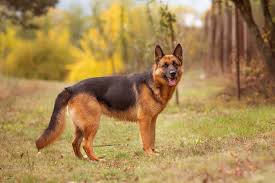
A liver and blue German Shepherd thrives on physical and mental stimulation. They are high energy working dogs and require:
- Daily exercise: At least 1 to 2 hours of walking, running, or play.
- Obedience training: Consistency and positive reinforcement are essential.
- Mental challenges: Puzzle toys and advanced commands to prevent boredom.
- Socialization: Exposure to new environments, people, and pets early on.
Without proper training, they may become restless or destructive due to excess energy.
Cost and Availability
Because of their rarity, liver and blue German Shepherd puppies are often more expensive than standard colored ones. Prices generally range between $1,000 and $3,000, but can exceed this depending on bloodline and breeder reputation.
Be cautious of breeders marketing these colors as “designer dogs.” Always verify health certifications before purchasing.
Should You Get a Liver or Blue German Shepherd?
If you love the German Shepherd breed but want a rare and striking appearance, the liver and blue German Shepherd may be the perfect choice. They offer the same loyalty, protection, and intelligence but stand out due to their unique coats.
As long as you’re prepared for their high exercise needs, grooming requirements, and training commitment, they make excellent companions.
FAQs:
1. Are liver colored German Shepherds rare?
Yes, liver colored German Shepherds are rare because the liver gene is recessive. A puppy must inherit the gene from both parents, making this coat color less common than traditional black and tan German Shepherds.
2. What is the rarest German Shepherd color?
The rarest German Shepherd colors are isabella (lilac) and panda, both extremely uncommon. Liver and blue German Shepherds are also rare, but not as scarce as isabella or panda variations within the breed.
3. Are blue German Shepherds rare?
Yes, blue German Shepherds are rare because the dilution gene responsible for their steel gray color must come from both parents. This makes them less common and highly sought after among German Shepherd enthusiasts.
4. How much does a blue German Shepherd cost?
A blue German Shepherd usually costs between $1,000 and $3,000, though prices may be higher for dogs from reputable breeders with strong pedigrees, health testing, and desirable traits.
5. Do liver and blue German Shepherds have special health problems?
No. They face the same health risks as all German Shepherds, such as hip dysplasia, but color genetics don’t cause illness.
Conclusion:
The liver and blue German Shepherd are striking, rare variations that capture attention with their unique coats while maintaining the classic traits that make German Shepherds one of the world’s most beloved breeds. Their loyalty, intelligence, and versatility remain unchanged, proving that color is only skin deep. While not favored in dog shows, they excel as companions, guardians, and working partners. Choosing one means enjoying a devoted friend who combines rare beauty with the timeless qualities of the German Shepherd.
Related Post:
- German Shepherd Dog House Size – Guide for Comfortable Living!
- Black German Shepherd Working Line – Training & Care Guide!
- How Much Does It Cost To Cremate A Cat – Complete Guide!