
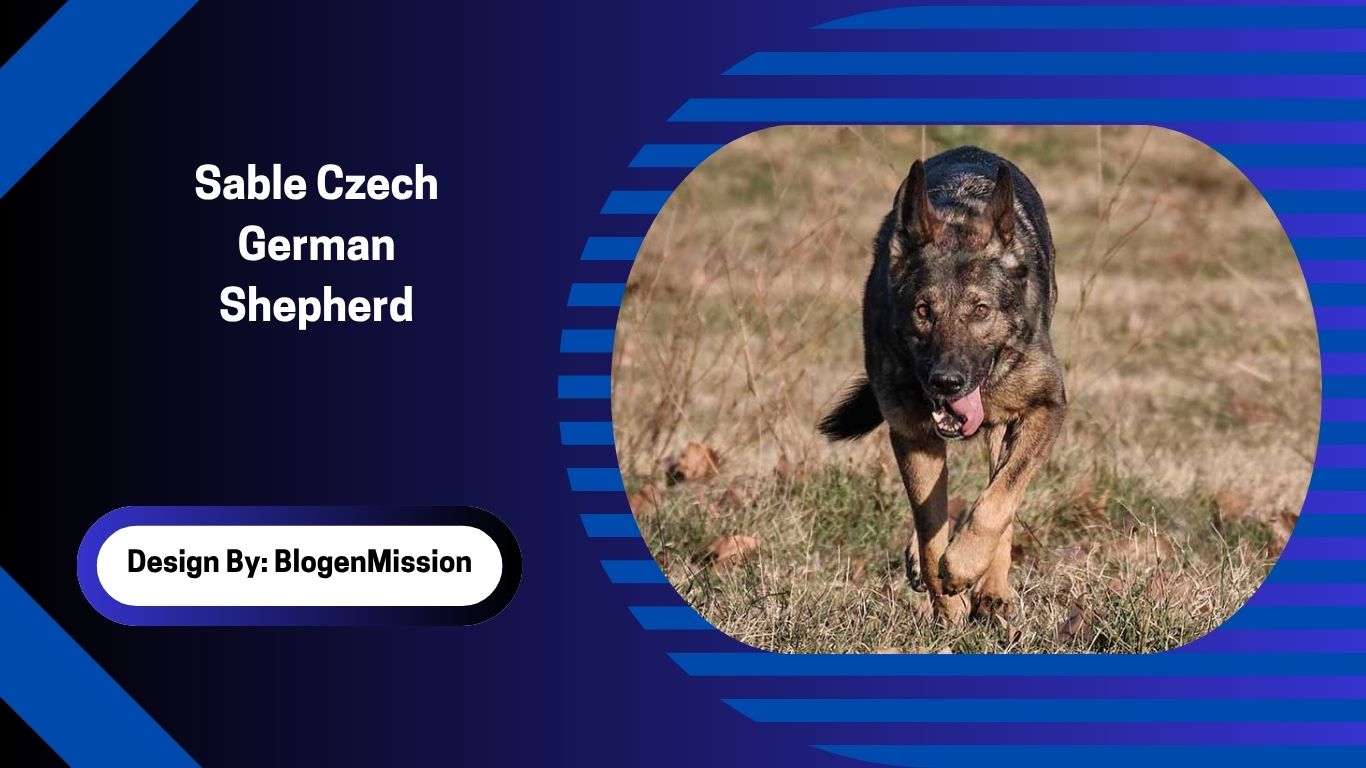
The sable Czech German Shepherd is a rare, intelligent, and loyal working line breed known for its wolf like sable coat, exceptional drive, and protective instincts, making it ideal for experienced dog owners.
The Sable Czech German Shepherd is one of the most unique and highly sought after variations of the German Shepherd breed. Famous for its wolf like sable coat, superior working ability, and exceptional loyalty, this breed is a favorite among law enforcement, military handlers, and active dog lovers.
In this guide, we’ll cover the history, characteristics, training, health, and care requirements of this incredible working line dog to help you decide if it’s the right fit for your lifestyle.
The History and Origin of the Sable Czech German Shepherd
The Czech German Shepherd was developed in Czechoslovakia during the mid 20th century as a working dog for border patrol and law enforcement. Breeders focused on producing strong, healthy, and trainable dogs, unlike some American or show line German Shepherds that have been bred more often than not for appearance.
The Role of the Sable Coat in Czech Bloodlines
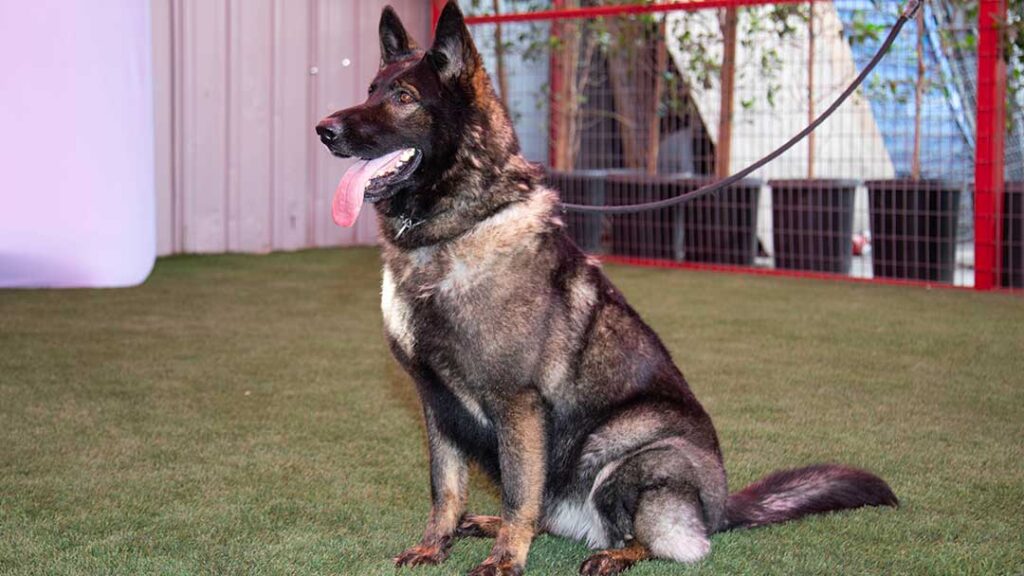
The sable coat is the oldest and most natural coat pattern for German Shepherds, featuring multi toned hairs with black tips. This coloring gives the Czech Shepherd a wild, wolf like look and is considered a sign of strong genetics.
Physical Characteristics of the Sable Czech German Shepherd
The sable Czech German Shepherd is built for endurance and performance, with a strong frame and athletic physique. Unlike show line Shepherds with sloped backs, Czech lines are bred for functionality and power.
| Feature | Description |
| Coat Type | Double layered, sable patterned with black tipped hairs |
| Size | Males: 24–26 in., 65–90 lbs; Females: 22–24 in., 50–70 lbs |
| Body Build | Stocky, muscular, and agile |
| Eyes | Almond shaped, dark brown |
| Ears | Upright, pointed, highly alert |
| Tail | Thick, bushy, slightly curved |
Temperament and Personality Traits
The sable Czech German Shepherd is known for its intelligence, courage, and deep loyalty to its family. These dogs form strong bonds with their owners, making them excellent protectors and companions for experienced handlers.
Key Personality Traits:
- Protective Nature: Naturally alert, loyal, and cautious of strangers.
- High Intelligence: Quick learners, eager to work and please.
- Energetic and Athletic: Require plenty of exercise and mental stimulation.
- Confident and Focused: Excel in training and working environments.
- Family Oriented: Loving with children when properly socialized.
Czech German Shepherd Lines vs. Other Bloodlines
Understanding how Czech Shepherds differ from other German Shepherd varieties can help you make an informed choice.
| Bloodline | Purpose | Key Traits |
| Czech Line | Military and police work | Straight back, sable coat, strong drive |
| West German Show Line | Conformation shows | Elegant build, sloped back, black and tan coat |
| American Line | Companion and show dogs | Larger frame, moderate drive |
Exercise, Training, and Mental Stimulation
The sable Czech German Shepherd thrives on structure and activity. Without good enough exercise, they could grow to be stressed and destructive.
Training Tips for Czech Shepherds:
- Start obedience training early using positive reinforcement.
- Incorporate advanced commands and agility exercises.
- Provide mental stimulation through puzzle toys and nose work.
- Keep sessions consistent to develop trust and focus.
Grooming and Coat Care
The sable double coat sheds year round, with heavier shedding during seasonal changes.
Grooming Tips:
- Brush 2 to 3 times weekly to manage shedding.
- Bathe every 6 to 8 weeks or when dirty.
- Trim nails regularly and check ears weekly.
- Invest in a quality de shedding tool for seasonal shedding.
Health and Lifespan
Due to strict breeding programs, Czech German Shepherds are generally healthier than some show lines, but they are still prone to common Shepherd health conditions.
Common Health Issues
- Hip and elbow dysplasia
- Degenerative myelopathy
- Bloat (gastric torsion)
- Allergies or skin problems
With proper care, these dogs live 12 to 14 years, offering long term companionship and loyalty.
Nutrition and Feeding Guidelines
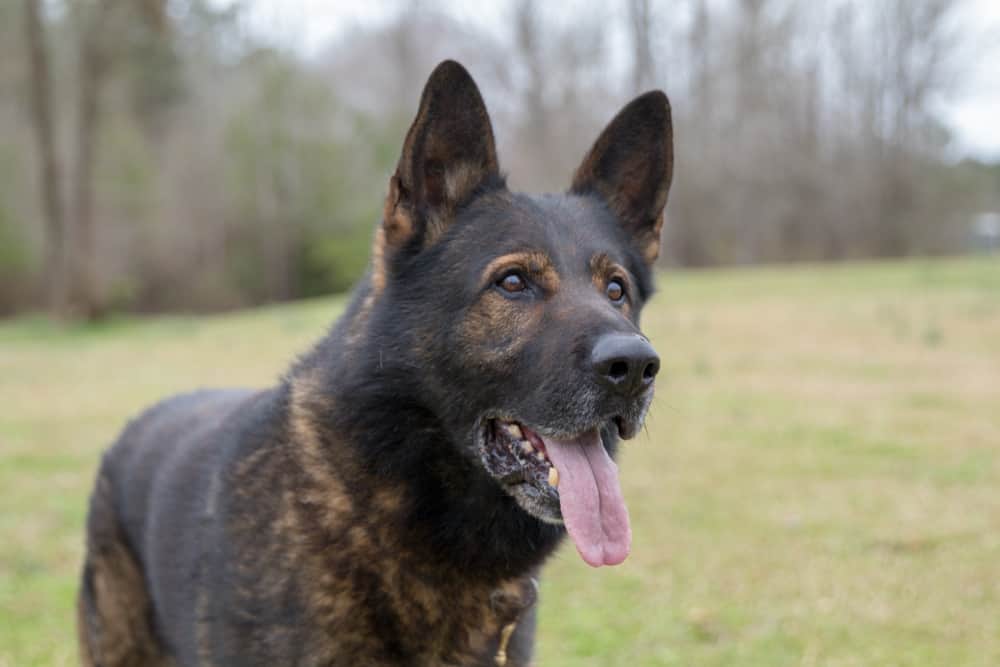
A high protein, nutrient dense diet is essential to support muscle development and high activity levels.
Nutritional Recommendations
- Protein rich kibble or raw diet (25 to 30% protein)
- Healthy fats for coat fitness and energy
- Glucosamine and chondroitin dietary supplements for joint support
- Feed 2 to 3 balanced meals daily to reduce bloat risks
Is the Sable Czech German Shepherd Right for You?
This breed is perfect for active, experienced owners who can commit to daily training, socialization, and exercise. While loving and protective, their strong work drive makes them best suited for handlers familiar with working breeds.
FAQs:
1. How rare is a sable German Shepherd?
Sable German Shepherds are less common than black and tan variations but not extremely rare. The sable coat is genetically dominant, making it one of the breed’s oldest and most natural color patterns, especially in working lines.
2. What is a Czech German Shepherd?
A Czech German Shepherd is a working line German Shepherd bred in former Czechoslovakia for military and border patrol duties. Known for strength, drive, and straight backs, they excel in police work, protection, and other demanding roles.
3. How much is a sable German Shepherd worth?
A sable German Shepherd typically costs $1,200 to $3,000, depending on bloodline, pedigree, and training. Working line Czech Shepherds or dogs with advanced training can cost significantly more, sometimes exceeding $5,000 for elite working dogs.
4. Are Czech German Shepherds rare?
Yes, Czech German Shepherds are relatively rare compared to American and West German lines. They are selectively bred for working purposes, making them highly prized for their genetics, intelligence, and exceptional performance abilities.
5. Are Czech German Shepherds good family pets?
Yes, Czech German Shepherds make excellent family pets when properly trained and socialized. They’re protective, loyal, and gentle with children but require an experienced owner to meet their high exercise and mental stimulation needs.
6. What makes Czech Shepherds different from show lines?
Czech Shepherds are bred for working ability, featuring strong bones, straight backs, and high drive. Show lines focus on appearance and conformation, often having sloped backs and less intense working instincts.
7. How much exercise do they need daily?
Czech German Shepherds need 60 to 90 minutes of physical exercise and mental stimulation daily. Activities like agility, tracking, obedience training, and hiking help keep them healthy, happy, and well behaved.
Conclusion:
The sable Czech German Shepherd is a remarkable working line breed celebrated for its striking sable coat, intelligence, and unwavering loyalty. Bred for military and police roles, this dog thrives with experienced owners who provide proper training, mental challenges, and physical activity. Its protective nature, strong build, and versatile skill set make it both an exceptional working partner and a loving family guardian. With dedication and care, the sable Czech German Shepherd becomes a lifelong companion, offering unmatched devotion and reliability.
Related Post:
- German Shepherd Dog Collar Size Guide – Best Fit, Types & Tips!
- German Shepherd Basenji Mix – The Complete Guide!
- Difference Between Female and Male German Shepherd – A Complete Guide!